





Aktuāli
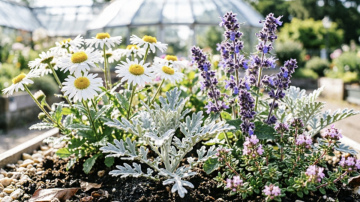
Augi, kas maina dārza mikroklimatu: kā dabiski samazināt ērču klātbūtni pagalmā
Ērču parādīšanās piemājas teritorijā ik pavasari liek meklēt efektīvus risinājumus pagalma pasargāšanai. Viens no veidiem, kā dabiski ierobežot šo organismu izplatību, ir mērķtiecīga n...



- Brīvdienās Rīgā vērienīgi satiksmes ierobežojumi; izslēgs arī luksoforus
- Mērķis šķiet grūts un daudziem nereāls” – Matīss uzskata, ka tik lieliem iekrājumiem jābūt ikvienam
- Ģimenes, kuras šovasar var atļauties šīs 10 lietas, finansiāli ir labākā situācijā nekā vairums
- Dzēruma incidenta lieta nonāks tiesā – Rutulis nav apmierināts ar prokuratūras rosināto sodu

- Gaisa trauksme Lietuvā atklāja satraucošu tendenci — ko cilvēki masveidā izpirka no veikaliem
- CSDD ieviesīs būtiskas izmaiņas tehniskajā apskatē: tas skars visus autovadītājus
- Topošā valdība vienojas neaiztikt sabiedrību šķeļošus jautājumus - kā tas izskatīsies
- Laika prognoze brīdina: vētra, krusa un salnas jau tuvākajās dienās



- Stikla glāzes izmantošana gaļas vārīšanā: praktisks paņēmiens dzidram buljonam
- Sākas lielā cīņa par Eiropas triljoniem: kas tajā izšķirsies Latvijas drošībai un „Rail Baltica”
- Latvijas Banka skaidro: kā oranžā brīdinājuma laikā tiek nodrošināta bankomātu darbība
- Gaidāmas CSDD tehniskās apskates pārmaiņas: tas skars visus autovadītājus

- Paziņota vienīgā zodiaka zīme, kura nav saderīga pilnīgi ne ar vienu
- Likteņa savienoti: 5 zodiaka pāri, kuru mīlestība kļūst leģendāra
- Iedzīvotāji pamana ko ļoti nepatīkamu, uzreiz pēc valsts atbalsta piešķiršanas elektroauto iegādei
- “WhatsApp” ceļ privātumu jaunā līmenī — paziņojumi pazūd pēc izlasīšanas

- 11 ikdienas paradumi, kas atšķir topošos miljonārus no tiem, kuri nekad mērķus nesasniedz
- Kliedējot mītus: cik patiesībā liels ir vidējais latvieša pensija 2. līmeņa uzkrājums
- Pēc 28. maija 3 zodiaka zīmēm sākas jauns un vieglāks dzīves posms
- Viņi rada haosu visapkārt: problemātiskākās zodiaka zīmes, no kurām grūti aizbēgt

- Nepakļāvīgie pēc dabas: šīs zodiaka zīmes dara tikai pa savam
- Miljardiera atzīšanās: Bils Geitss beidzot atklāj, ko bagātie par naudu parasti noklusē
- Sieviete Polijā nostrādā 61 gadu — publiskots viņas pensijas apmērs
- Daudzi tagad neatceras, bet tieši šo profesiju pārstāvji PSRS laikos dzīvoja greznībā

- Jaunā kārtība no 1. aprīļa: kādus ienākumus drīkstēs apvienot ar bezdarbnieka pabalstu
- Atzīmē kalendārā: Zināmi 2028. gada Dziesmu un deju svētku datumi
- No simts līdz vairākiem simtiem eiro: Publicēts saraksts ar bērnu dzimšanas pabalstiem Latvijas novados
- Ceļi šķiras: Bostonas simfoniskais orķestris nepagarinās līgumu ar slaveno latviešu diriģentu Andri Nelsonu
- Pavasara brīvlaiks klāt: 3 operatīvie dienesti brīdina par svrīgām kļūdām bērnu drošībā
- Jurģis Liepnieks brīdina par Latvijas "lielāko afēru vēsturē"
- Labi pelnošs vīrietis agri no rīta tiek pie iespaidīga laimesta, neteiks pat sievai
- Prezidents brīdina: Bez papildu atbalsta Latvija līdz 2040. gadam var zaudēt tūkstošiem iedzīvotāju