





Aktuāli
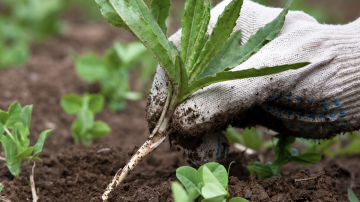
Kā saglabāt dārza dobes tīras: vienkārši un dabiski paņēmieni nezāļu ierobežošanai
Dārza sakopšana un nezāļu ierobežošana prasa regulāru pieeju, lai kultūraugi varētu pilnvērtīgi attīstīties. Bieži vien efektīvākais veids, kā uzturēt dobes tīras, ir vienkāršu un dabi...



- Brīvdienās Rīgā vērienīgi satiksmes ierobežojumi; izslēgs arī luksoforus
- Mērķis šķiet grūts un daudziem nereāls” – Matīss uzskata, ka tik lieliem iekrājumiem jābūt ikvienam
- Ģimenes, kuras šovasar var atļauties šīs 10 lietas, finansiāli ir labākā situācijā nekā vairums
- Dzēruma incidenta lieta nonāks tiesā – Rutulis nav apmierināts ar prokuratūras rosināto sodu

- Gaisa trauksme Lietuvā atklāja satraucošu tendenci — ko cilvēki masveidā izpirka no veikaliem
- CSDD ieviesīs būtiskas izmaiņas tehniskajā apskatē: tas skars visus autovadītājus
- Topošā valdība vienojas neaiztikt sabiedrību šķeļošus jautājumus - kā tas izskatīsies
- Laika prognoze brīdina: vētra, krusa un salnas jau tuvākajās dienās



- Stikla glāzes izmantošana gaļas vārīšanā: praktisks paņēmiens dzidram buljonam
- Sākas lielā cīņa par Eiropas triljoniem: kas tajā izšķirsies Latvijas drošībai un „Rail Baltica”
- Latvijas Banka skaidro: kā oranžā brīdinājuma laikā tiek nodrošināta bankomātu darbība
- Gaidāmas CSDD tehniskās apskates pārmaiņas: tas skars visus autovadītājus

- Paziņota vienīgā zodiaka zīme, kura nav saderīga pilnīgi ne ar vienu
- Likteņa savienoti: 5 zodiaka pāri, kuru mīlestība kļūst leģendāra
- Iedzīvotāji pamana ko ļoti nepatīkamu, uzreiz pēc valsts atbalsta piešķiršanas elektroauto iegādei
- “WhatsApp” ceļ privātumu jaunā līmenī — paziņojumi pazūd pēc izlasīšanas

- 11 ikdienas paradumi, kas atšķir topošos miljonārus no tiem, kuri nekad mērķus nesasniedz
- Kliedējot mītus: cik patiesībā liels ir vidējais latvieša pensija 2. līmeņa uzkrājums
- Pēc 28. maija 3 zodiaka zīmēm sākas jauns un vieglāks dzīves posms
- Viņi rada haosu visapkārt: problemātiskākās zodiaka zīmes, no kurām grūti aizbēgt

- Nepakļāvīgie pēc dabas: šīs zodiaka zīmes dara tikai pa savam
- Miljardiera atzīšanās: Bils Geitss beidzot atklāj, ko bagātie par naudu parasti noklusē
- Sieviete Polijā nostrādā 61 gadu — publiskots viņas pensijas apmērs
- Daudzi tagad neatceras, bet tieši šo profesiju pārstāvji PSRS laikos dzīvoja greznībā
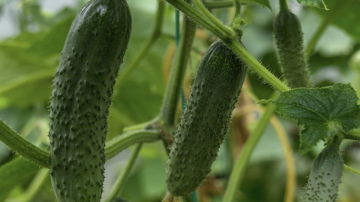
- Gurķu stādu kopšana un rauga mēslojuma sagatavošana pēc iestādīšanas dārzā
- Vienkāršs veids, kā pagatavot atsvaidzinošu kabaču uzkodu vasarā
- Kāpēc skudras izvēlas tieši jūsu virtuvi un kā tās neitralizēt ar mājas produktu palīdzību
- Kuri istabas augi vasarā jānes ārā un kurus labāk neizkustināt no vietas

- Jaunā kārtība no 1. aprīļa: kādus ienākumus drīkstēs apvienot ar bezdarbnieka pabalstu
- Atzīmē kalendārā: Zināmi 2028. gada Dziesmu un deju svētku datumi
- No simts līdz vairākiem simtiem eiro: Publicēts saraksts ar bērnu dzimšanas pabalstiem Latvijas novados
- Ceļi šķiras: Bostonas simfoniskais orķestris nepagarinās līgumu ar slaveno latviešu diriģentu Andri Nelsonu

- Pavasara brīvlaiks klāt: 3 operatīvie dienesti brīdina par svrīgām kļūdām bērnu drošībā
- Jurģis Liepnieks brīdina par Latvijas "lielāko afēru vēsturē"
- Labi pelnošs vīrietis agri no rīta tiek pie iespaidīga laimesta, neteiks pat sievai
- Prezidents brīdina: Bez papildu atbalsta Latvija līdz 2040. gadam var zaudēt tūkstošiem iedzīvotāju